How to Spot Early Warning Signs of Structural Damage in Your Aluminum Enclosure
Aluminum enclosures are a popular choice for residential and commercial properties due to their lightweight, durable, and corrosion-resistant nature. However, even these robust structures are not immune to wear and tear. Identifying early warning signs of structural damage can save you from costly repairs and ensure the longevity of your enclosure. This article will guide you through the essential steps to spot potential damage and take appropriate action.
Understanding Aluminum Enclosures
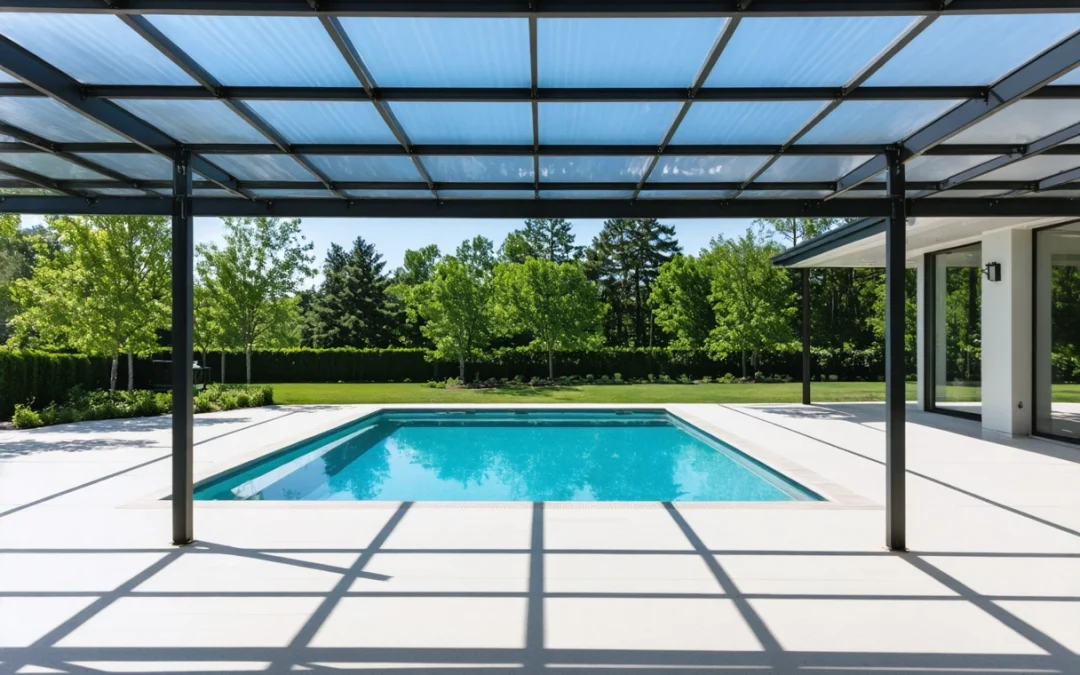
Aluminum enclosures are used in various applications, from patio covers to pool cages and screened porches. They provide protection from the elements while allowing maximum visibility and ventilation. The structure typically consists of an aluminum frame, screws, and panels or screens that create a weather-resistant barrier.
Unlike other materials, aluminum is resistant to rust and environmental degradation, making it an ideal choice for outdoor structures. However, constant exposure to weather conditions, chemical reactions, or improper installation can lead to structural issues. Understanding the components and their vulnerabilities is crucial for timely detection and repair.
Common Causes of Damage
Structural damage in aluminum enclosures can arise from various sources. One of the most common causes is weather-related stress. High winds, heavy rain, or snow accumulation can exert pressure on the frame, causing it to bend or break. Additionally, temperature fluctuations can cause expansion and contraction, leading to joint weaknesses.
Improper installation is another significant cause of structural damage. If the enclosure is not correctly anchored or aligned, it may not withstand environmental stressors. Moreover, using incorrect or low-quality materials, such as screws or brackets, can compromise the integrity of the structure. Regular maintenance, including inspecting and replacing worn-out components, is crucial to prevent these issues.
Identifying Signs of Structural Wear
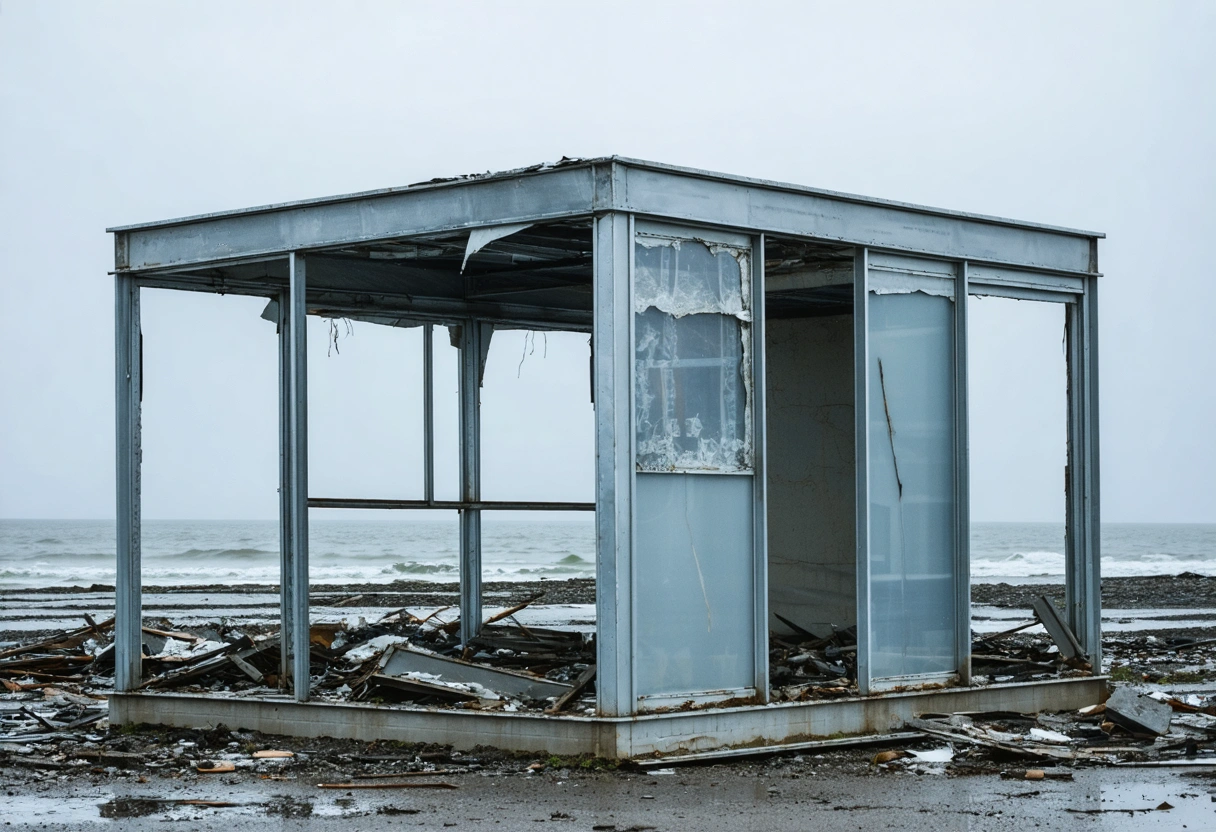
Spotting early warning signs of structural damage in your aluminum enclosure requires a keen eye and regular inspections. One of the first indicators is visible distortion or bending of the frame. This can occur due to pressure from strong winds or snow, which may not immediately be evident without close inspection.
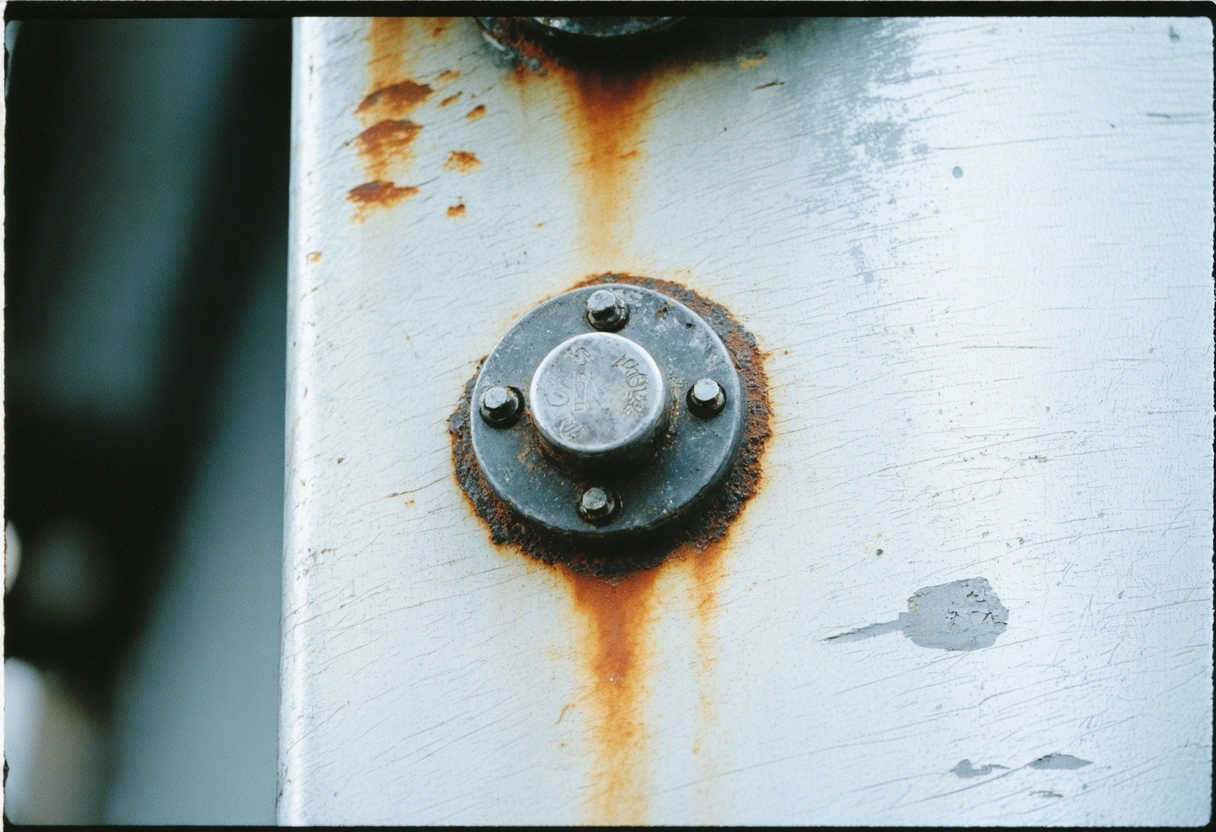
Corrosion is another red flag. Although aluminum is corrosion-resistant, prolonged exposure to certain chemicals or saltwater can lead to oxidation. Look for white powdery spots or pitting on the surface of the aluminum. These are signs of oxidation that can weaken the structure over time.
Inspecting Joints and Connections
The joints and connections are pivotal to the stability of your enclosure. Regularly inspect these areas for signs of loosening or detachment. If you notice any gaps or misalignments, it may indicate that the fasteners are failing. In some cases, you may need to replace the screws with screws specifically designed for aluminum to ensure a secure fit.
Additionally, examine the sealants used at the joints for any signs of cracking or peeling. A compromised sealant can allow moisture ingress, leading to further damage. Reapplying a high-quality aluminum-compatible sealant can help maintain the integrity of these connections.
Checking for Panel or Screen Damage
The panels or screens in an aluminum enclosure serve as the primary barrier against external elements. Check these components for any tears, punctures, or looseness. Damaged panels not only compromise the enclosure’s functionality but can also exert undue stress on the frame, leading to structural issues.
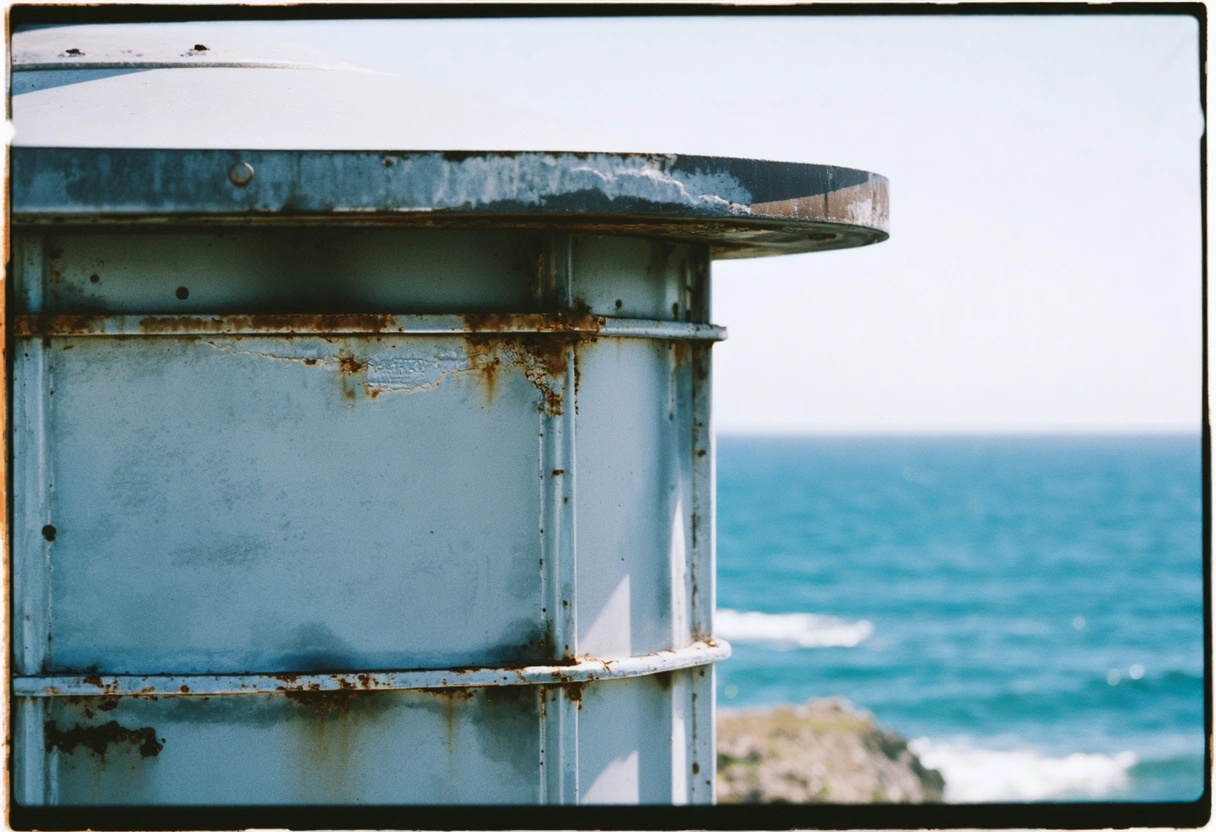
If you notice any damaged sections, it’s crucial to repair or replace them promptly. In some cases, a simple patching of the screen may suffice, but for extensive damage, replacing the panel might be necessary. Consult with a professional if you are unsure how to address these issues effectively.
Environmental and Chemical Factors
Environmental conditions play a significant role in the lifespan of your aluminum enclosure. Areas with high humidity, pollution, or proximity to the ocean may experience accelerated corrosion. It’s essential to use materials and treatments that can withstand these conditions, such as anodized aluminum or specialized coatings.
Chemical exposure, from cleaning agents or nearby industrial activities, can also affect your enclosure. Always use mild, aluminum-safe cleaners, and rinse thoroughly to prevent chemical residues from building up. If you suspect chemical damage, a professional assessment can help determine the appropriate remediation steps.
The Importance of Regular Maintenance
Routine maintenance is key to prolonging the life of your aluminum enclosure. Develop a schedule for regular inspections, focusing on high-stress areas like joints, connections, and anchor points. Keep the structure clean, removing any debris that could trap moisture or exert pressure on the frame.
Consider scheduling professional inspections annually or bi-annually, especially in regions with harsh weather conditions. Professionals can provide a more in-depth assessment and recommend necessary repairs or upgrades. For example, replacing standard screws with high-grade aluminum screws can add extra strength to your enclosure.
Protect Your Investment
Your aluminum enclosure is a significant investment that enhances the functionality and aesthetics of your property. By learning how to spot early warning signs of structural damage, you can prevent minor issues from becoming major problems. Regular maintenance, proper material selection, and timely repairs will ensure your enclosure remains sturdy and reliable for years to come.
For more information on maintaining aluminum structures, consider researching reputable sources or consulting with industry professionals. Taking proactive steps today can save you time and money in the future, preserving the value and utility of your aluminum enclosure.
Understanding the Role of Anchoring Systems
The anchoring system is the foundation of your aluminum enclosure’s stability. It is crucial to understand how the anchoring system works and its importance in maintaining the structural integrity of the enclosure. Proper anchoring prevents the enclosure from shifting or collapsing under environmental stressors like wind and earthquakes. During your inspections, pay close attention to the anchoring points and ensure that they are secure and free from deterioration.
Anchors can be bolts, screws, or brackets, depending on the design of your enclosure. Over time, these elements can become loose or corroded. It’s essential to check for rust, wear, or any signs that the anchors are not holding as firmly as they should. In some cases, you might need to reinforce these areas with additional or larger anchors. Consulting with a structural engineer can provide insights into any necessary upgrades or repairs.
Dealing with Structural Pests
While aluminum is resistant to many environmental challenges, it is not immune to pest-related issues. Insects, such as termites, are not a direct threat to aluminum but can affect the wooden elements or foundations associated with the enclosure. Rats and birds might also find ways to nest or chew through vulnerable parts of the structure, especially around screens and panels.
Regularly inspect for signs of pest activity, like droppings, nests, or gnaw marks. If you suspect a pest problem, it’s crucial to address it promptly. Implementing pest control measures, such as traps or barriers, and keeping the surrounding area clean and free of debris can help mitigate these risks. For persistent problems, contacting a pest control professional may be necessary to ensure your enclosure remains pest-free.
Weatherproofing Your Aluminum Enclosure
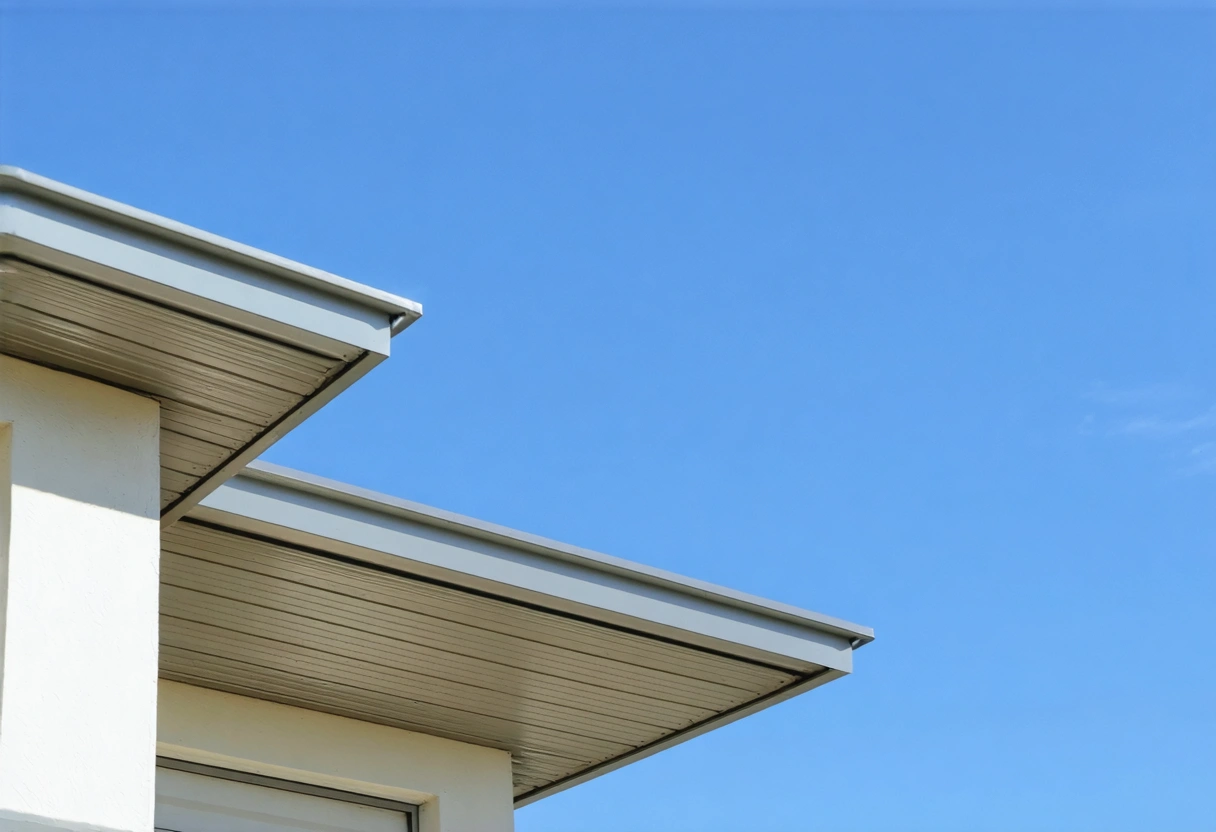
Weatherproofing is a proactive approach to protecting your aluminum enclosure from the elements. Applying a protective sealant or paint designed for aluminum can provide an extra layer of defense against moisture and UV rays, which can contribute to corrosion over time. Ensure that the sealant is compatible with aluminum to avoid chemical reactions that might weaken the material.
Consider installing gutters or drainage systems to manage water runoff effectively. This prevents water from pooling at the base of the enclosure, which can lead to structural weakening. Regularly clear any debris from these systems to maintain their efficiency. Additionally, using UV-resistant materials for panels or screens can help reduce the impact of sun exposure, preserving the appearance and strength of your enclosure.
When to Seek Professional Help
While many maintenance tasks can be handled by the enclosure owner, certain situations require professional intervention. If you notice significant bending, large areas of corrosion, or structural instability, it may be time to call in an expert. Professionals have the tools and expertise to assess the situation accurately and recommend the best course of action.
Structural engineers or contractors specializing in aluminum enclosures can perform a comprehensive evaluation and suggest necessary repairs or reinforcements. They can also advise on upgrades that might enhance the enclosure’s durability, such as using advanced aluminum alloys or incorporating modern anchoring technologies. Prompt action can prevent more extensive damage and ensure the safety and functionality of your enclosure.
Case Studies: Lessons from Real-World Scenarios
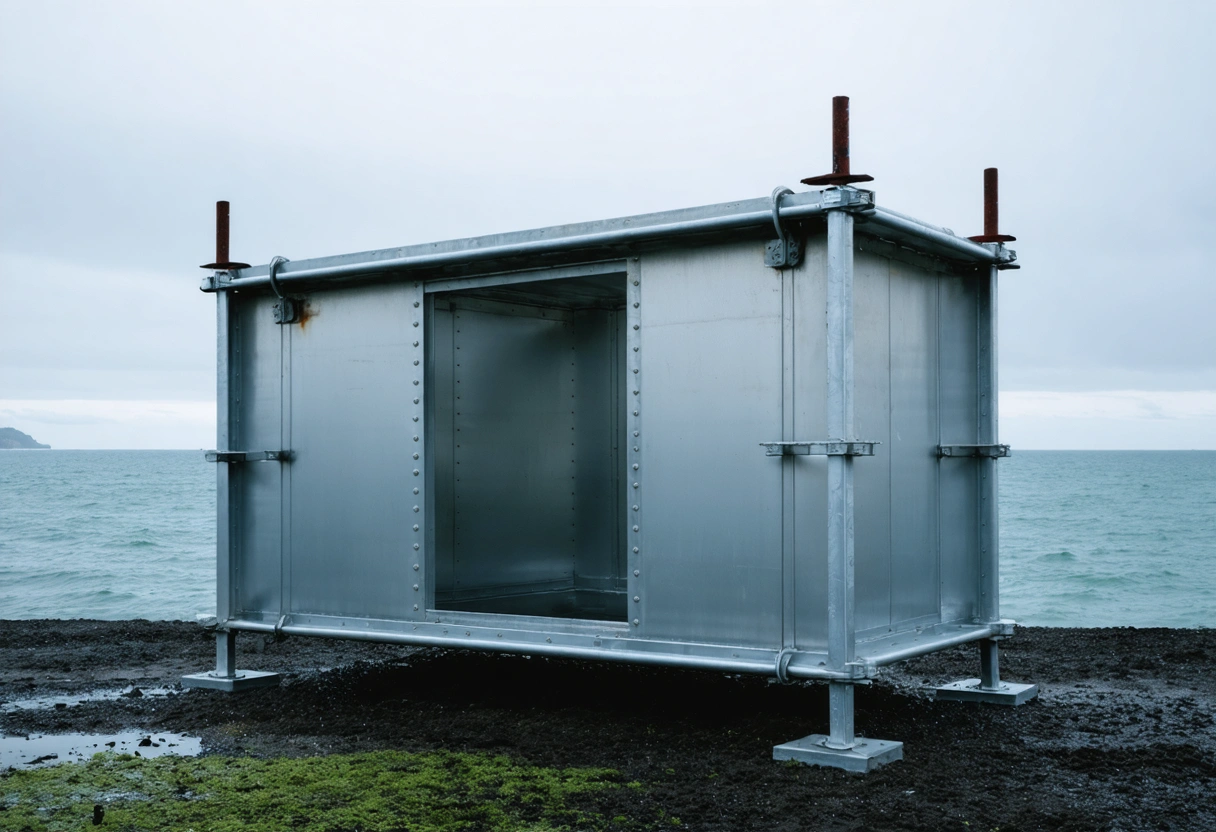
Examining real-world situations can provide valuable insights into managing and preventing structural damage in aluminum enclosures. One case involved a coastal property where the enclosure suffered significant corrosion due to saltwater exposure. The solution involved replacing the corroded sections with anodized aluminum and implementing a regular maintenance schedule to wash down the structure and apply protective coatings.
Another scenario dealt with an enclosure subjected to heavy snow loads. The frame began to show signs of stress and bending. The owners opted to reinforce the structure with additional support beams and upgraded the anchoring system to better withstand the weight. This proactive approach not only resolved the immediate issue but also prepared the enclosure for future weather challenges.
Integrating Smart Technology for Monitoring
Incorporating smart technology into your aluminum enclosure maintenance routine can offer significant advantages. Sensors and monitoring systems can alert you to changes in the enclosure’s condition, such as shifts in alignment, temperature fluctuations, or unexpected movement. This real-time data can help you address issues before they become serious problems.
Some systems can tie into your home automation setup, sending notifications to your devices if any anomalies are detected. By integrating such technology, you gain a deeper understanding of your enclosure’s health and can plan maintenance activities more effectively. This upfront investment can lead to significant savings in repair costs and enhance the overall safety of your structure.
Ensuring Long-Term Durability
Spotting early warning signs of structural damage in your aluminum enclosure is essential for preserving its functionality and appearance. By understanding the construction, regularly inspecting for damage, and incorporating preventive measures, you can significantly extend the life of your enclosure. Embrace technologies and professional insights that empower you to manage your structure proactively. With these strategies in place, you can enjoy the benefits of your aluminum enclosure for many years to come.
For further reading, delve into resources that explore the best practices for corrosion prevention and structural maintenance. Empower yourself with knowledge and take the proactive steps necessary to protect your investment, ensuring your aluminum enclosure remains a valuable asset to your property.
Need help with How to Spot Early Warning Signs of Structural Damage in Your Aluminum Enclosure?