Understanding the Lifespan of Your Aluminum Enclosure: When to Consider a Screw Changeout
Aluminum enclosures are a popular choice for housing electronic components, thanks to their durability, corrosion resistance, and lightweight nature. However, like any component in a mechanical system, the screws that hold these enclosures together can wear out over time. Understanding when to replace these screws is crucial to maintaining the structural integrity and safety of your enclosure. In this post, we will delve into the factors affecting the lifespan of your aluminum enclosure screws, when to consider a changeout, and how to effectively manage this maintenance task.
The Role of Screws in Aluminum Enclosures
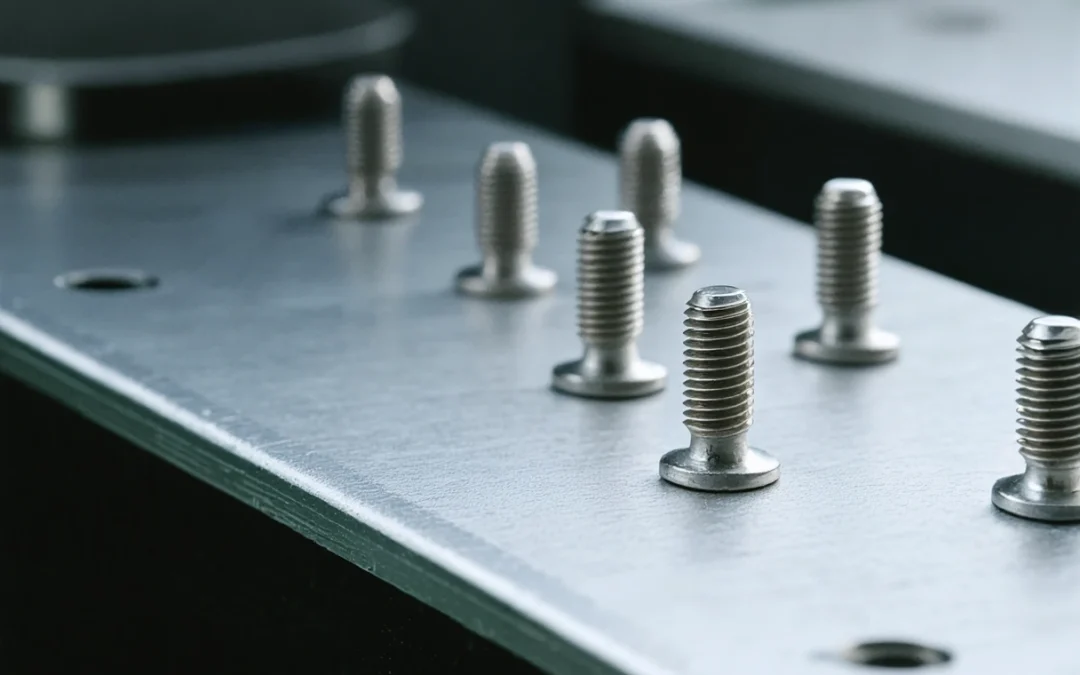
Screws play a vital role in securing the parts of an aluminum enclosure. They ensure that the enclosure remains intact, preventing dust, moisture, and other environmental factors from affecting the enclosed components. The right choice of screws can enhance the longevity of the enclosure, while the wrong type can lead to premature failure.
When selecting screws for aluminum enclosures, manufacturers typically consider factors such as the screw material, size, and threading. Stainless steel is a common choice due to its resistance to rust and corrosion. However, the interaction between aluminum and stainless steel can lead to galvanic corrosion over time, which is an essential factor to monitor. For more on this topic, consider reviewing resources about galvanic corrosion.
Common Issues with Screws in Aluminum Enclosures
Over time, screws in aluminum enclosures can face several issues. These include corrosion, stripping, wear, and loosening. Corrosion is particularly concerning as it can compromise the screw’s integrity, while stripping can occur if the screw is over-tightened or improperly fitted. Wear and loosening may happen due to vibrations or frequent opening and closing of the enclosure.
Addressing these issues early can prevent more significant problems down the line, such as water ingress or a complete failure of the enclosure. Regular inspections are key to identifying these issues in their early stages.
When to Consider a Screw Changeout
Knowing when to change out screws in your aluminum enclosure is crucial for maintaining its performance and safety. Generally, screws should be inspected at regular intervals, especially if the enclosure is in a high-vibration or harsh environmental setting. However, certain signs indicate that a changeout is necessary.
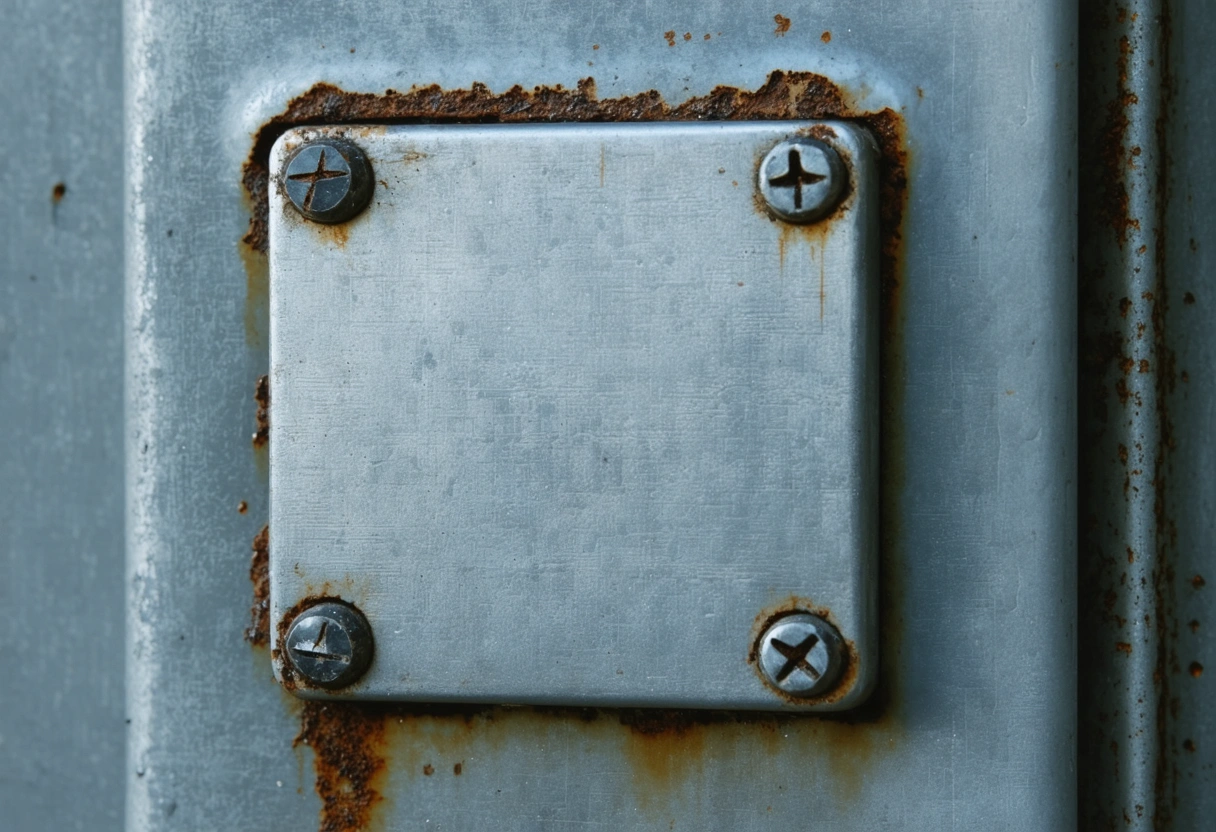
If you notice visible signs of corrosion, such as rust or discoloration, it’s likely time to replace the screws. Additionally, if screws are difficult to turn or feel loose, they may no longer be providing a secure fit. In such cases, replacing them can prevent further damage to the enclosure and the components within. Consider exploring detailed screw mechanics for a better understanding of these issues.
Environmental Factors and Their Impact
Environmental factors play a significant role in the degradation of screws in aluminum enclosures. Enclosures situated in coastal areas, for example, are more prone to corrosion due to salt in the air. Similarly, industrial environments with exposure to chemicals or extreme temperatures can accelerate screw wear.
To combat these effects, using screws with protective coatings or those made from corrosion-resistant materials can extend their lifespan. Regular cleaning and maintenance also help reduce environmental impacts on screw integrity.
Steps for Replacing Screws in Aluminum Enclosures
Replacing screws in your aluminum enclosure may seem straightforward, but it requires careful attention to detail to ensure optimal results. Start by gathering the necessary tools, such as a screwdriver, wrench, and replacement screws. Ensure that the new screws are of the same material and size to maintain compatibility with the enclosure.
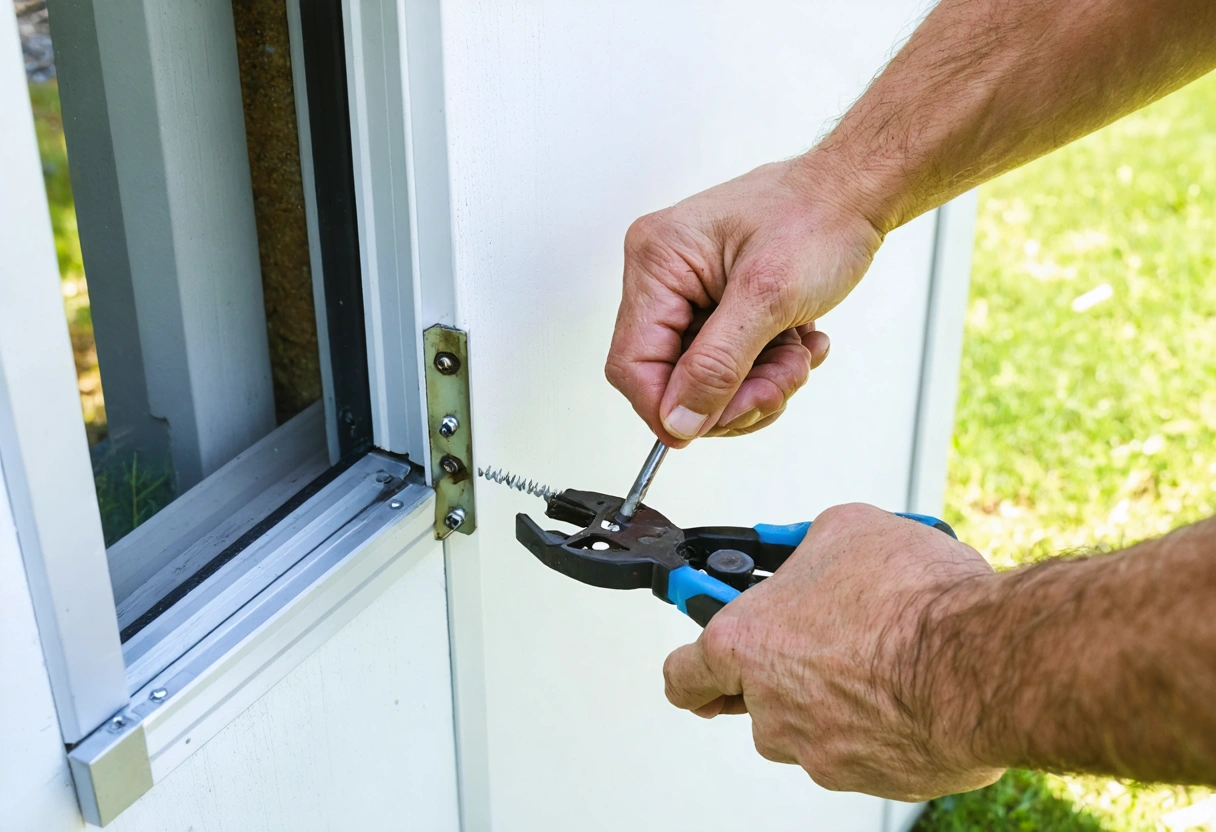
Begin by gently removing the old screws, taking care not to damage the enclosure. If screws are stripped or corroded, additional tools like extraction bits may be necessary. Once removed, inspect the enclosure and the surrounding areas for any signs of damage. Clean the threads to remove any debris or corrosion before installing the new screws. For a comprehensive guide on screw replacement, check out technical resources on screw threads.
Importance of Proper Torque
When installing new screws, applying the correct torque is crucial to ensure a secure fit without causing damage to the enclosure. Over-tightening can lead to stripping, while under-tightening can result in a loose fit. Manufacturers often provide torque specifications for their screws, which should be adhered to during installation.
Using a torque wrench can help achieve the correct tension, ensuring that the screws hold the enclosure securely without causing undue stress on the materials. Understanding the science of torque can further enhance your maintenance practices.
Preventive Maintenance for Aluminum Enclosures
Preventive maintenance is key to extending the lifespan of your aluminum enclosure and its components. Regular inspections, cleaning, and timely replacements can prevent minor issues from becoming significant problems. Establish a maintenance schedule that includes checking for signs of corrosion, wear, and proper screw tension.
In addition to regular maintenance, employing best practices during installation can also enhance longevity. This includes using compatible materials, applying anti-seize compounds to prevent galvanic corrosion, and following manufacturer guidelines for assembly and maintenance.
Utilizing Professional Services

For those who lack the expertise or time to perform regular maintenance, professional services are available. These services can provide thorough inspections, replacements, and even upgrades to your aluminum enclosure. Professionals can identify potential issues that may not be apparent to the untrained eye, ensuring that your enclosure remains in peak condition.
For more information on professional maintenance services, consider reviewing comprehensive maintenance management resources.
Takeaways
Understanding the lifespan of your aluminum enclosure and knowing when to consider a screw changeout is essential for maintaining the integrity and performance of your setup. By addressing issues such as corrosion, wear, and environmental impacts, you can ensure that your enclosure continues to protect its components effectively.
Regular inspections, proper maintenance practices, and timely replacements are critical elements of a successful maintenance strategy. Whether through DIY methods or professional services, taking proactive steps to manage your enclosure’s screws can save time, money, and potential headaches in the future.
By staying informed about the factors that influence screw longevity and employing the strategies discussed in this article, you can extend the life of your aluminum enclosure and maintain its optimal functionality. Consider reaching out to professionals or utilizing online resources for further insights into maintaining your enclosure systems.
Investing in the right materials and maintenance practices can make a significant difference in the long-term performance of your aluminum enclosure. While the initial cost of high-quality screws and regular maintenance might seem high, the benefits of prolonged lifespan and reduced risk of failure make it a wise investment. Moreover, understanding the nuances of different environments and their impacts on your enclosure systems allows you to tailor your approach and potentially incorporate innovative solutions to common issues.
Innovative Solutions for Screw Longevity
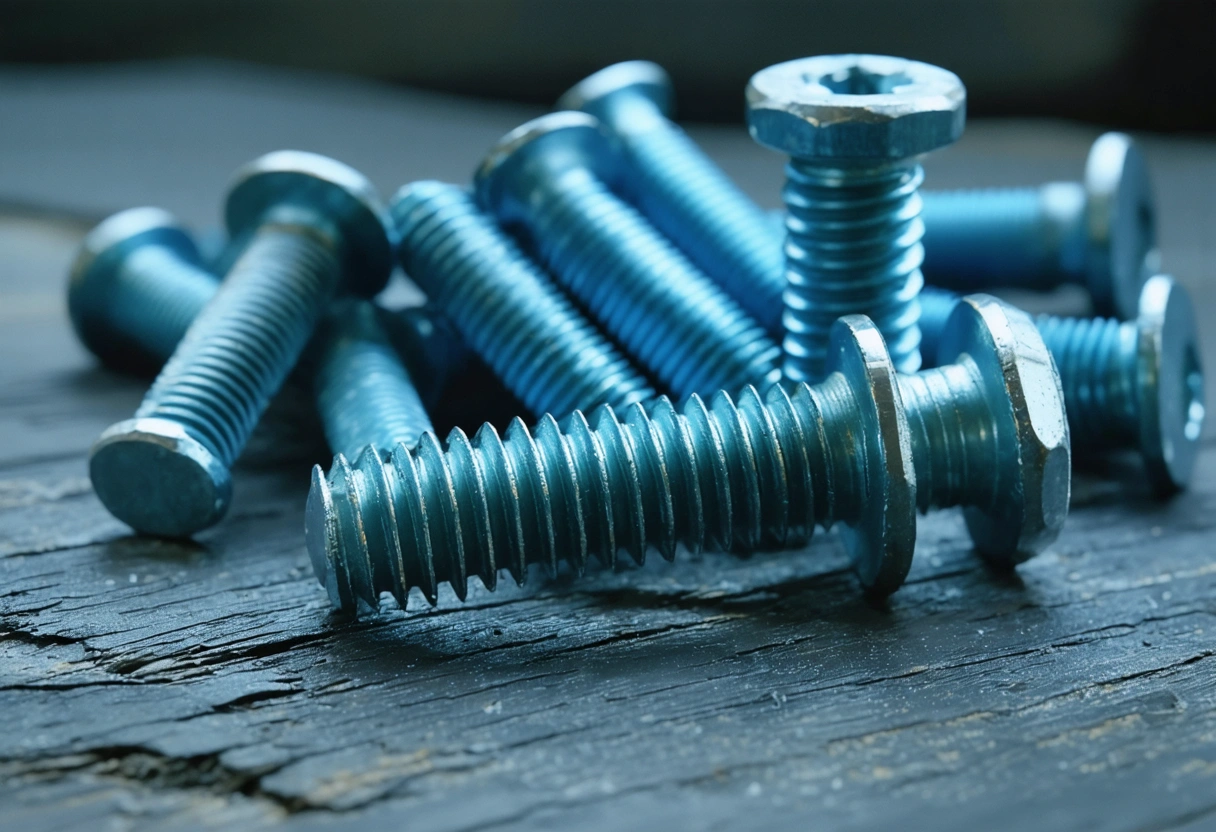
As technology advances, so do the materials and methods available for maintaining and extending the life of screws in aluminum enclosures. One such advancement is the use of anti-corrosion coatings. These coatings can significantly reduce the rate of deterioration by providing a protective barrier against environmental factors such as moisture and chemicals.
Another innovation is the development of screw designs that minimize the risk of stripping and loosening. For example, screws with specialized threading patterns can offer superior grip and stability, making them ideal for applications subjected to high vibrations or frequent handling. Exploring cutting-edge techniques in screw technology can provide further insights into these advancements.
Material Science and Screw Design
Material science plays a crucial role in the evolution of screw design. Researchers are continually exploring new alloys and composites that offer enhanced properties, such as increased strength, reduced weight, and greater resistance to environmental factors. These materials are engineered to perform well under a wide array of conditions, providing additional peace of mind for those relying on aluminum enclosures.
Additionally, manufacturers are experimenting with composite screws, which combine different materials to achieve desired characteristics. For instance, a stainless-steel core might be paired with a polymer coating to offer both strength and corrosion resistance. Resources on composite materials in mechanical systems offer a wealth of information on this topic.
Future Trends in Screw Maintenance
The future of screw maintenance in aluminum enclosures is likely to be shaped by smart technologies and automation. With the advent of the Internet of Things (IoT), predictive maintenance tools are becoming more prevalent. These tools can monitor the condition of screws and other components in real-time, allowing for proactive maintenance and reducing the likelihood of unexpected failures.
For example, sensors can be integrated into enclosure systems to detect changes in tension, vibration, or environmental conditions. This data can then be analyzed to predict when maintenance is required, ensuring timely interventions. As these technologies become more accessible, they offer exciting possibilities for enhancing the reliability and efficiency of maintenance practices. More on this can be explored through industrial IoT applications.
Adapting to Emerging Technologies
Adapting to emerging technologies requires a proactive approach, both in terms of training and implementation. Maintenance teams must be equipped with the skills and knowledge to leverage these new tools effectively. This may involve ongoing education and collaboration with technology providers to ensure that the solutions are tailored to specific needs and environments.
Furthermore, as these technologies evolve, it’s crucial to remain informed about the latest advancements and best practices. Engaging with industry groups, attending conferences, and subscribing to relevant publications can help maintenance professionals stay ahead of the curve and maximize the benefits of these innovations.
A Proactive Approach to Screw Maintenance
In conclusion, maintaining the screws in your aluminum enclosure is a multifaceted task that requires attention to detail, awareness of environmental factors, and an openness to leveraging new technologies. By adopting a proactive approach, you can significantly enhance the lifespan and performance of your enclosure systems.
Regular inspections, the use of advanced materials and coatings, and the integration of smart maintenance tools all contribute to a robust maintenance strategy. As the world of mechanical systems continues to evolve, embracing these changes ensures that your aluminum enclosures remain reliable and effective.
Ultimately, the key to successful maintenance lies in a combination of traditional practices and modern innovations, tailored to meet the unique requirements of your applications. By staying informed and adaptable, you can safeguard the components housed within your aluminum enclosures and optimize their operational efficiency for years to come.
Need help with Understanding the Lifespan of Your Aluminum Enclosure: When to Consider a Screw Changeout?